
Diabetes can damage your eyes in serious ways, but regular exams and proper management can prevent or slow vision loss. We specialize in detecting diabetic eye disease early when treatment is most effective.
Diabetes damages blood vessels throughout your body, including the delicate vessels in your eyes. High blood sugar levels weaken and damage these vessels, causing them to leak fluid into the retina. This fluid buildup distorts vision and, if left untreated, can lead to serious vision loss.
The danger is that early diabetic eye disease often has no symptoms. You may feel fine and see reasonably well while significant damage is happening silently. This is why regular eye exams are absolutely critical—we can detect damage before it causes noticeable symptoms.
Early detection and proper management can prevent or significantly slow vision loss. But waiting until you notice symptoms may mean the damage has already advanced. Annual dilated eye exams are essential for anyone with diabetes.
Diabetes can cause several different eye conditions. Understanding each helps you recognize why regular exams matter and what signs to watch for.
Leading cause of blindness in working-age adults. Damaged blood vessels leak into the retina, causing blurred vision and, if untreated, severe vision loss.
Swelling in the macula (center of retina) from fluid leakage. Causes blurry or distorted central vision, affecting reading, driving, and detail work.
Abnormal blood vessels grow on the iris, blocking fluid drainage and increasing eye pressure. Can cause rapid vision loss if untreated.
Clouding of the lens from elevated blood sugar. People with diabetes develop cataracts earlier and faster than others.
You can have more than one of these conditions at the same time. This is why comprehensive eye exams—not just vision checks—are essential. We look for signs of all potential diabetes-related eye diseases.
Early diabetic eye disease often has no symptoms. But as damage progresses, watch for these signs and report them immediately to an eye doctor.
Blurred vision at all distances, especially blurriness that comes and goes.
Small dark spots or shapes that float across your field of vision, especially if they suddenly increase.
Straight lines appear bent or wavy; difficulty with reading or driving.
Blind spots or areas of missing vision in your field of view.
Trouble reading fine print or distinguishing objects clearly at any distance.
Colors appear faded, dull, or yellowed compared to how they used to look.
Sudden decrease in vision or complete vision loss in one area—seek emergency care immediately.
Pain, pressure, or persistent discomfort in the eye—may indicate increased eye pressure or glaucoma.
Sudden vision changes, new floaters, or eye pain require urgent evaluation. Don’t wait for your annual exam—call us right away at (978) 792-4400 or visit an urgent care facility.
Without early detection and treatment, diabetic eye disease can progress to severe complications.
Bleeding into the jelly-like substance inside your eye, causing dark floaters or complete vision blockage.
Scar tissue pulls the retina away from the back of the eye, causing sudden vision loss and spots floating in vision.
Abnormal blood vessels block fluid drainage, rapidly increasing eye pressure and damaging the optic nerve.
Untreated diabetic retinopathy is the leading cause of blindness in working-age Americans. Prevention is critical.
The good news: most of these complications are preventable with early detection, proper diabetes management, and appropriate treatment when eye disease is found.
Managing diabetes to protect your eyes involves multiple strategies. Following these practices significantly reduces your risk of vision loss.
Comprehensive dilated exams detect early damage before symptoms appear. Schedule yearly with us.
Keep blood glucose levels in target range through diet, medication, and lifestyle changes.
High blood pressure worsens diabetic eye disease. Work with your doctor to keep it controlled.
High cholesterol damages blood vessels. Medication and diet help keep levels healthy.
Fruits, vegetables, whole grains, and lean proteins support blood sugar control and eye health.
Physical activity improves blood sugar control, blood pressure, and overall circulation to your eyes.
Smoking increases diabetes complications and eye disease risk. Quitting is critical.
Sunglasses blocking 100% UV rays protect against additional eye damage and cataracts.
Use diabetes, blood pressure, and cholesterol medications exactly as prescribed.
Report any vision changes to us immediately—don't wait for your annual exam.
If you have diabetes, comprehensive eye exams are one of your most important health appointments. Here’s why.
We dilate your pupils to examine the entire retina for signs of damage or bleeding.
Advanced imaging creates cross-sections of the retina to detect swelling and fluid buildup.
We check for glaucoma risk by measuring intraocular pressure.
We measure how clearly you see and track changes over time.
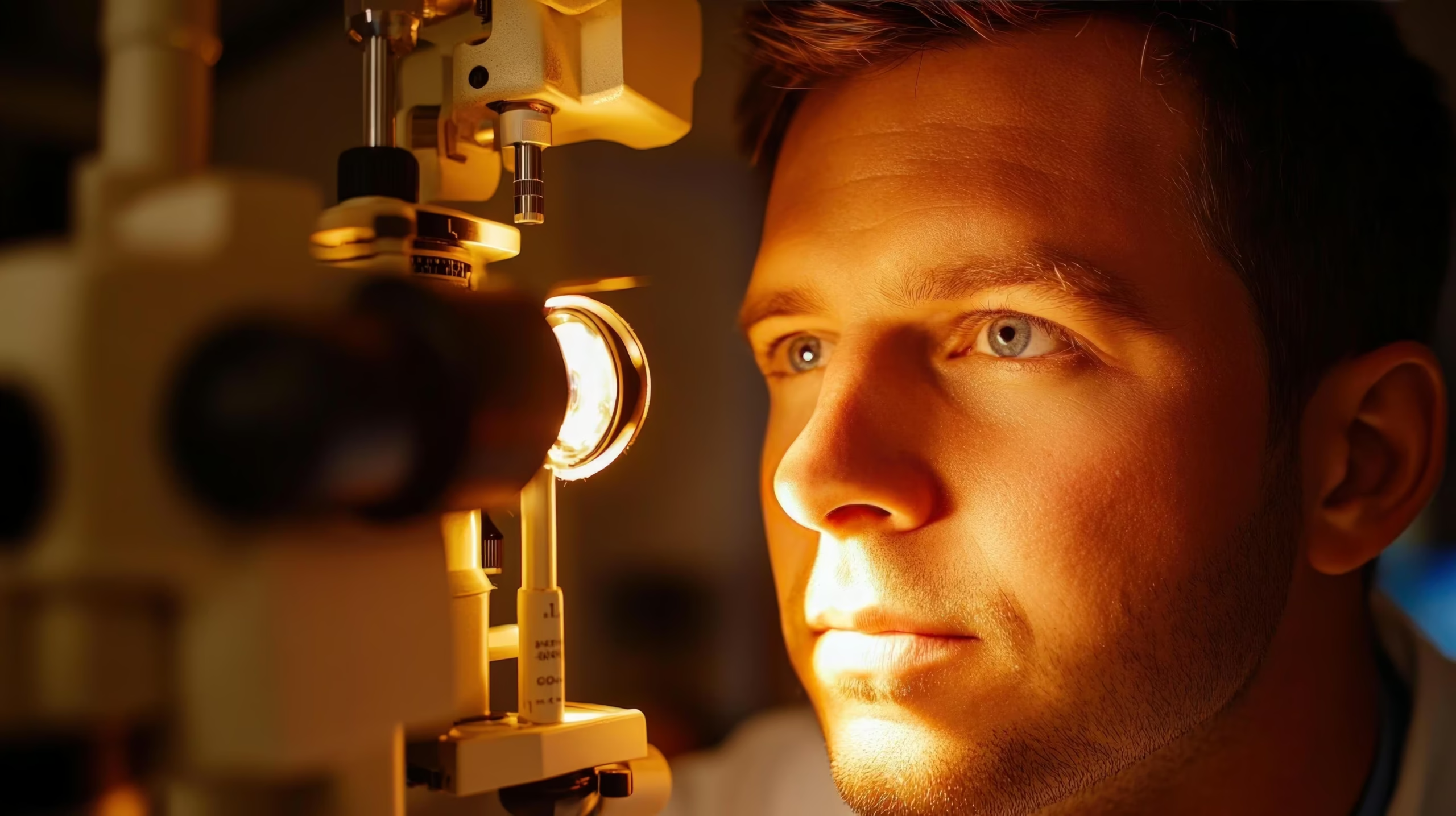
Diabetic eye disease caught early is highly treatable. Waiting for symptoms may mean permanent damage.
Regular monitoring allows us to catch changes early and start treatment before vision is seriously affected.
Findings from your exam guide your diabetes management and help your primary care doctor optimize your overall health.
If diabetic eye disease is found, early treatment with lasers, injections, or other options can prevent vision loss.

Dr. Matthew Foley, O.D., founder and lead optometrist at Foley Vision Center, has over 20 years of experience detecting and managing diabetic eye disease. A graduate of the New England College of Optometry in Boston, he understands the critical importance of early detection in preventing vision loss.
Specialized expertise: Dr. Foley specializes in detecting early signs of diabetic retinopathy, macular edema, and other diabetes-related eye conditions before they cause noticeable symptoms.
Advanced technology: He uses state-of-the-art imaging equipment—including OCT and retinal photography—to thoroughly evaluate your retina and track changes over time.
Collaborative care: Dr. Foley works closely with your primary care doctor and endocrinologist to ensure comprehensive diabetes management that protects your vision.

Recommended exam frequency depends on your diabetes type, control level, and any existing eye problems.
Annual comprehensive dilated eye exam starting within 5 years of diagnosis. More frequent if any eye disease is detected.
Annual comprehensive dilated eye exam starting at diagnosis. More frequent if disease is present or vision changes occur.
Eye exam during pregnancy to detect any changes. Follow-up exam after delivery to ensure eyes return to normal.
More frequent exams—possibly every 3-6 months—if diabetic eye disease has been found. Treatment may also be recommended.
Even if you feel fine and your vision seems perfect, annual exams are essential. Early diabetic eye disease has no symptoms but causes permanent damage if not detected. Your annual eye exam may be the only place where this damage is caught early enough to prevent vision loss.
If you have diabetes, regular comprehensive eye exams are critical to detect and prevent serious vision complications. Schedule your annual diabetic eye exam at Foley Vision Center today. Early detection saves vision.
Closed
9:00am – 6:00pm
9:00am – 6:00pm
9:00am – 6:00pm
9:00am – 6:00pm
Closed